Instruments for All Abilities
Instruments for All Abilities
Written by a Mom, Teacher, and Interventionist
A Music Therapy Journey

I recently spent some time observing and learning from a team of music therapists in a children’s hospital. Through the use of various toys and musical instruments, they were able to reach children who were working to regain their speech, movement, and vision skills.
So many of the tools the therapists had in their supply bags are the same items Kids’ MusicRound teachers have in their JamBags. They are carefully selected for use in many different ways, and Music Therapy has proven their versatility.
The process gave me a new perspective on the work we do with children and taught me much about how to incorporate these instruments into our classes for learners who may have movement or communication differences.
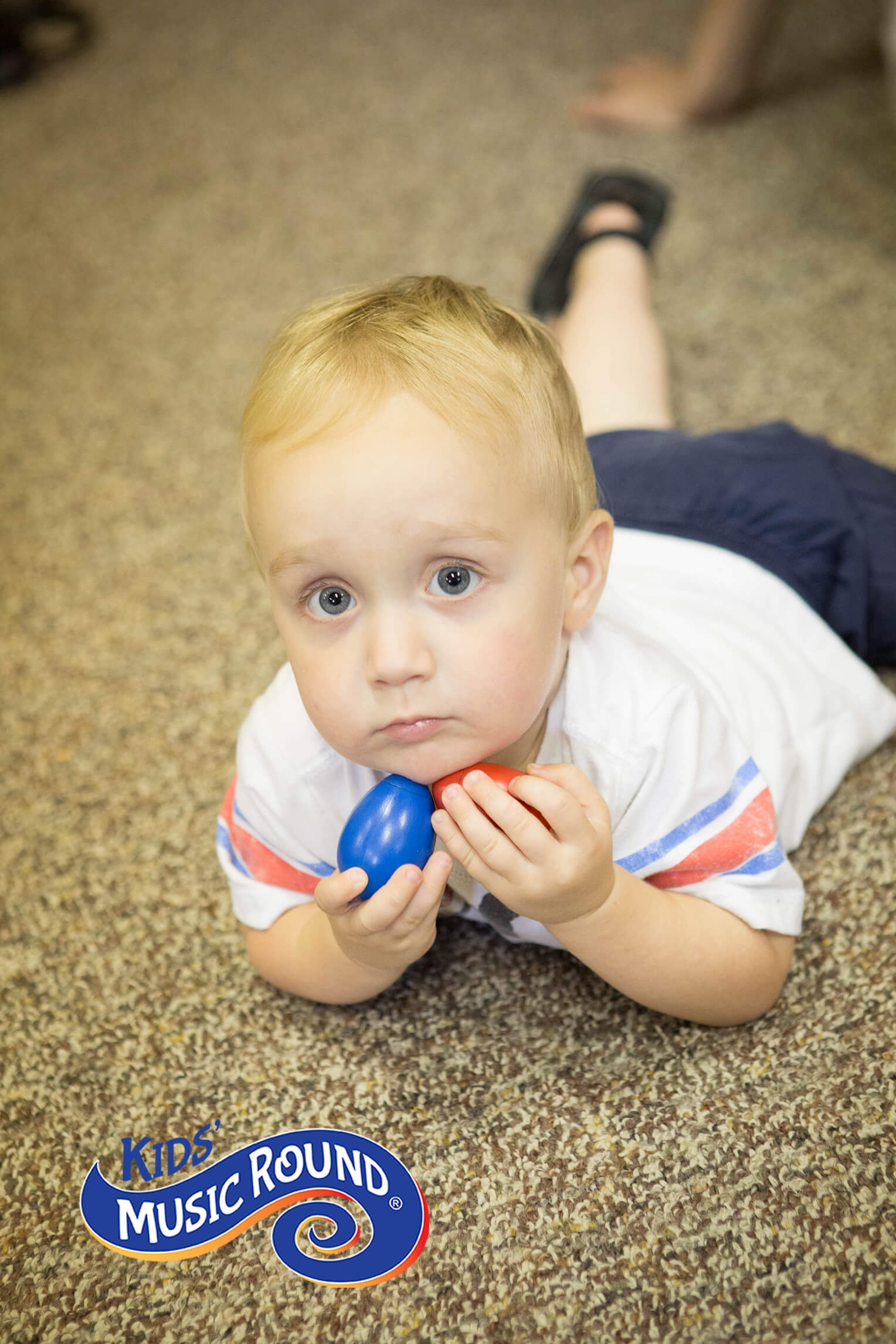
Chickitas and Egg Shakers
These are such an easy entry point. If you’ve got parents in the room during class or you’re working with paraprofessionals who are new to music education, chickitas and egg shakers are a great place to begin. They feel comfortable in the hand, and they tend to be fairly familiar.
Be aware that some children have light and sound sensitivities, which can create unexpectedly harsh sounds for those children. They do not sound that way to me, but I have seen the expression on children’s faces when they are first tapped loudly together - it tends not to be a fan favorite.
If the children can hold the shakers, I find it best to allow them to explore and choose how to play. Mirroring their movements or listening and enjoying the music they create can be validating without creating too much noise. When playing along, I find it helpful to create a soft sound to accompany their work unless the child directs me otherwise.
If children cannot hold the instrument, I like to offer them a chance to feel the texture. One of the great things about egg shakers is that children who can’t hold other instruments are sometimes able to hold these. If you only have chickitas, try turning them upside down to make them easier to grasp. There is no right or wrong in music making.
Clatterpillars
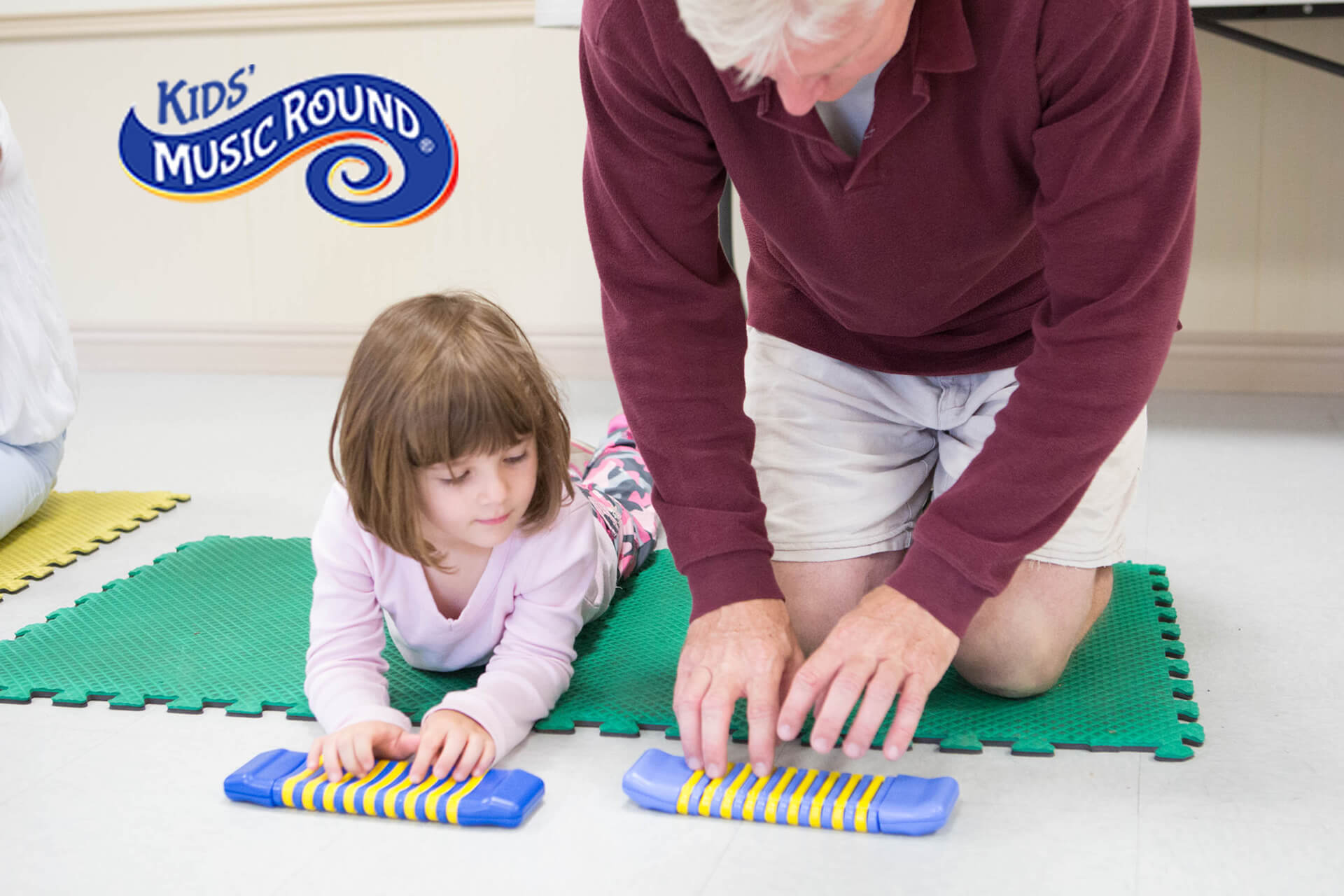
The clatterpillar is a favorite among our little ones. They use it to tap two ends together or shake to the beat. Older children can use it with a mallet.
Children with sensory challenges may appreciate having an adult hold it so they can run their hands along it to feel the texture. For children who are unable to move independently, rub it gently on their skin for a tactile experience. Be sure to consider the child. Some may want to feel it on their hands, while others may prefer the barrier provided by a shirt sleeve. Watch the child’s face - they tend to be clear if they do not like it.
Silliness
During one visit, our music therapist showed up with a duck instrument. Yes, it really quacked. It was hilarious, and it helped lighten the mood during an otherwise challenging and exhausting day. There are many options for silly musical instruments, and it’s always interesting to see what the children choose.
Here are a few options to consider:
- Canary Stick
- Grand Floor Piano (A great option if you’re trying to incorporate PT & OT skills!)
- Lollipop Drum (This is a favorite for young children, music class, and therapy!)
Don’t be hindered by what instruments have traditionally been used for. Music is to be enjoyed by the people in the space. If you’re having fun and the kids are having fun, you’re doing it right!